|
April 2026 Newsletter
Our newsletter helps you learn about our label from start to growth, our mission and how your participation can help bring peace to the world. Received in error? If you downloaded music from our website you were given a complimentary subscription. If you subscribed to our newsletter through a form on our website or one of our Facebook ads, you were added to our newsletter mailing list. Sometimes anomalies happen. Someone might enter a typo or a prankster might fill out the subscription form with someone else's information. If you received this in error and/or do not wish to continue receiving this newsletter every month, click “unsubscribe” below. Your newsletters will stop arriving with no questions asked. Visit and like our Facebook business page
Join discussions in our public Facebook group
Connect with us on X.com
Music & Memory in older adults
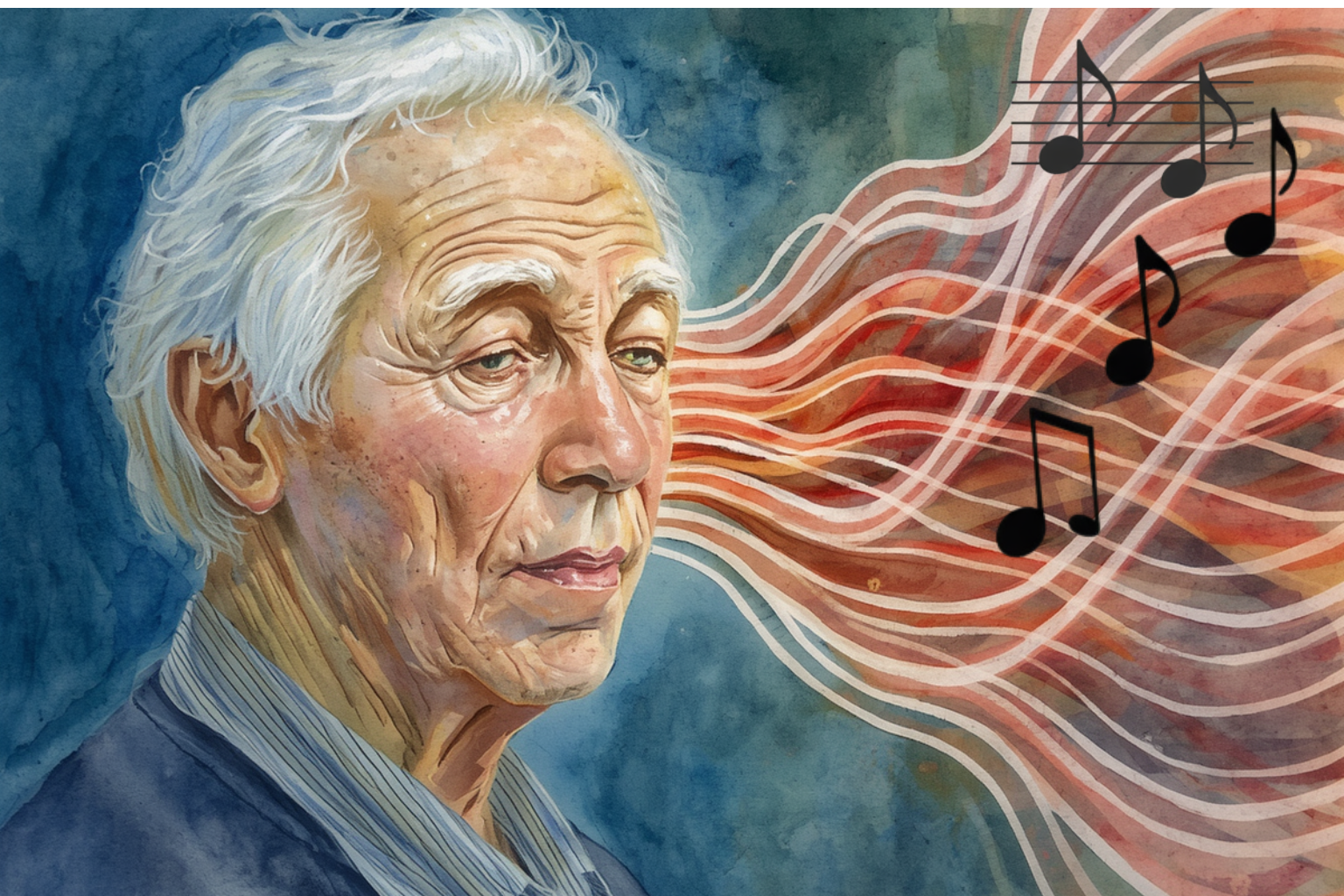 In recent years, a growing body of research has illuminated the profound impact music can have on memory and cognitive function, particularly in older adults. This connection between music and memory offers an exciting avenue for enhancing quality of life and mental acuity as we age. Let's explore how music serves as a powerful tool for cognitive enhancement and emotional well-being in older adults.
The Science Behind Music and Memory
Music's ability to stimulate the brain is both complex and fascinating. When we listen to music, various areas of the brain are activated, including those involved in emotion, memory, and motor control. This multi-sensory engagement makes music a unique cognitive stimulus. Research indicates that music can trigger the release of neurotransmitters such as dopamine, which are associated with pleasure and reward, thereby enhancing mood and motivation. Additionally, music's rhythmic and repetitive elements can aid in memory retention. This is particularly beneficial for older adults, as the natural aging process can lead to a decline in cognitive functions such as memory recall. Music provides a structured auditory environment that can help cue memories and make retrieval more efficient. Music as a Therapeutic Tool
Music therapy has emerged as a promising intervention for improving cognitive functions and emotional health in older adults. Studies have shown that engaging with music—whether through listening, singing, or playing an instrument—can lead to improvements in memory, attention, and even executive function. For individuals with Alzheimer's disease or other forms of dementia, music therapy can be especially beneficial. Familiar songs can evoke memories and emotions that might otherwise remain inaccessible. This connection to personal history can improve mood, reduce agitation, and enhance social interaction—key elements for maintaining quality of life. Practical Applications
Incorporating music into daily routines can be both enjoyable and beneficial for older adults. Here are some practical ways to harness the power of music for cognitive and emotional enhancement:
- Listening Sessions: Dedicate time each day to listen to favorite songs or musical genres. This can help evoke positive emotions and stimulate memory recall.
- Group Activities: Participate in group singing or music appreciation classes. Social interaction combined with musical engagement can foster a sense of community and belonging.
- Learning an Instrument: Taking up a musical instrument can be a rewarding challenge that promotes brain plasticity and enhances cognitive functions.
- Personal Playlists: Create personalized playlists for different activities, such as relaxation, exercise, or reminiscence. Tailoring music to specific contexts can maximize its cognitive benefits.
Conclusion
Music holds a remarkable power to connect us to our past, enliven our present, and enhance our cognitive capacities. For older adults, engaging with music can be a joyful and effective way to maintain and improve memory and cognitive function. As we continue to uncover the myriad benefits of music, its role as a therapeutic tool in aging populations becomes increasingly clear. Whether through structured therapy sessions or casual listening, music is a timeless ally in the journey of aging gracefully.
The Silent Stalemate
How Avoiding Discussion Stifles Solutions
 In our fast-paced world, where communication is at our fingertips, it's surprising how often we choose silence over conversation. Whether it's the fear of conflict, the discomfort of vulnerability, or simply a lack of time, refusing to discuss problems is a common occurrence. But what happens when we avoid these crucial conversations? More often than not, it prevents us from finding effective solutions and moving forward, both personally and collectively.
The Cost of Avoidance
Avoiding discussion can have numerous consequences. Problems that go unspoken often grow in magnitude, festering and becoming even more difficult to address over time. This can lead to misunderstandings, resentment, and further complications. For example, in personal relationships, avoiding difficult conversations can create emotional distance, eroding trust and intimacy. In the workplace, it can lead to decreased productivity, low morale, and high employee turnover. When we refuse to communicate, we deny ourselves the opportunity to gain new perspectives and insights. Every problem has multiple facets, and discussing it openly allows us to explore various viewpoints, paving the way for creative solutions. Without this exchange of ideas, we remain stuck in our own limited understanding, unable to move forward. Breaking the Silence
So, how can we break the cycle of avoidance and foster open dialogue? Here are a few strategies: Create a Safe Environment: Encourage open communication by fostering a non-judgmental and supportive atmosphere. People are more likely to speak up when they feel safe and valued.
Practice Active Listening: Show genuine interest in others' perspectives by giving them your full attention. This not only helps in understanding the problem better but also builds trust and respect.
Emphasize Empathy and Understanding: Approach conversations with empathy, seeking to understand rather than criticize. Acknowledge emotions and validate feelings to create a more productive dialogue.
Focus on Solutions, Not Blame: Shift the focus from assigning blame to finding solutions. This encourages a collaborative approach and reduces defensiveness.
Be Honest and Direct: Honesty is key to resolving issues. Be direct but compassionate in expressing your thoughts and feelings. Clear communication paves the way for meaningful solutions.
The Power of Conversation
Ultimately, refusing to discuss problems is a barrier to progress. By embracing open dialogue, we not only address issues more effectively but also foster stronger relationships. Conversations allow us to bridge gaps, build understanding, and unlock the potential for innovative solutions. So, the next time you encounter a problem, resist the urge to stay silent. Break the stalemate and open the door to possibilities. By doing so, you'll find that the path to resolution is often just a conversation away.
New Release

Frank Blades has a new release titled “All My Pals”, written, performed and produced by Frank.
Now Streaming
 Positive Polarity
YouTube
Spotify
Download from our website
Get back issues Share this newsletter: https://musicforworldpeacerecords.com/campaigns/1108332
Share our subscriber page: https://musicforworldpeacerecords.com/subscribe Sponsors: Mike Turner Songwriter 
|
