|
Patron Newsletter
December 2025
Our newsletter helps you learn about our label from start to growth, our mission and how your participation can help bring peace to the world. Received in error? Did you receive this newsletter in error? If you downloaded music from our website you were given a complimentary subscription. If you subscribed to our newsletter through a form on our website or one of our Facebook ads, you were added to our newsletter mailing list. However, sometimes anomalies happen. Someone might enter a typo when entering their email address, or there might be the occasional prankster that will fill out the subscription form with someone else's information. If you received this in error and/or do not wish to continue receiving this newsletter every month, click “unsubscribe” below. Your newsletters will stop arriving in your inbox with no questions asked. Visit our website
Visit and like our Facebook business page
Join discussions in our public Facebook group
Connect with us on Twitter Share our subscriber link with your friends Copy & paste URL from page or here: https://musicforworldpeacerecords.com/subscribe
Empathy is a fundamental human ability that allows individuals to understand and share the feelings of others. It is the bridge that connects us emotionally to the experiences of those around us, fostering compassion, kindness, and mutual understanding.
Types of Empathy
Empathy can be categorized into three main types:
Cognitive Empathy
This involves understanding another person's perspective or mental state. It is the ability to put oneself in someone else's shoes intellectually, to see the world through their eyes, and to comprehend their thoughts and feelings.
Emotional Empathy
Also known as affective empathy, this type refers to actually feeling what another person is feeling. It is the emotional resonance that occurs when we experience the emotions of others as if they were our own.
Compassionate Empathy
This type goes beyond understanding and feeling; it involves taking action to help someone in distress. Compassionate empathy is what motivates individuals to offer support and assistance to others.
The Importance of Empathy
Empathy plays a vital role in human relationships and societies. Here are a few reasons why it is important:
Enhances Relationships
By fostering understanding and connection, empathy strengthens bonds between friends, family members, colleagues, and even strangers.
Improves Communication
Empathetic individuals are better communicators as they can appreciate different perspectives and respond appropriately to the emotional needs of others.
Promotes Kindness and Compassion
Empathy encourages acts of kindness and compassion, making interactions more positive and supportive.
Reduces Conflict
When we understand the feelings and viewpoints of others, we are less likely to engage in conflicts and more likely to find peaceful resolutions.
Developing Empathy
Empathy is a skill that can be developed and enhanced through practice. Here are some ways to cultivate empathy:
Active Listening
Pay close attention to what others are saying without interrupting. Listen not just to the words, but also to the emotions behind them.
Imagine Other Perspectives
Try to see situations from other people's viewpoints. Ask yourself how you would feel if you were in their position.
Be Open-Minded
Maintain an open heart and mind, and be willing to learn from others' experiences and emotions.
Practice Compassion
Engage in acts of kindness and service, which can help deepen your understanding and connection to others.
In summary, empathy is a powerful and transformative quality that enriches our lives and relationships. By understanding and nurturing our empathetic abilities, we can create a more compassionate and connected world.
Recognizing Propaganda
A Guide to Critical Thinking
In today's world, information is more accessible than ever before. Yet, this abundance of information can sometimes lead to confusion and misinformation. One of the most insidious forms of misinformation is propaganda. Propaganda is designed to influence public opinion and behavior, often by presenting biased or misleading information. Recognizing propaganda is an essential skill for anyone striving to be an informed and critical thinker. This article will guide you through the key characteristics of propaganda and provide tips on how to identify it. Propaganda is a strategic communication aimed at influencing people's perceptions and actions. It often involves the manipulation of facts or the use of emotional appeals to sway public opinion. While propaganda can serve various purposes, it is most commonly associated with political or ideological agendas. Key Characteristics of Propaganda To effectively recognize propaganda, it is essential to understand its common characteristics: Emotional Appeal
Propaganda often plays on emotions rather than reason. Look for content that uses strong emotional language or imagery designed to provoke fear, anger, or sympathy. This tactic is used to bypass logical thinking and trigger immediate reactions. Selective Storytelling
Propaganda may present only one side of a story, omitting facts that do not support its message. It often highlights certain events or details while ignoring others. Be wary of information that seems incomplete or unbalanced. Repetition
One of the most effective propaganda techniques is repetition. By consistently repeating a message, propagandists aim to embed it in the audience's consciousness. If you notice a slogan or idea being repeated excessively, it might be propaganda. Simplification
Complex issues are often oversimplified in propaganda. Look for messages that reduce complicated topics to simple, black-and-white scenarios. This technique can make it easier to persuade people by eliminating nuance. Use of Authority Figures
Propaganda often appeals to authority by citing experts or leaders to lend credibility to its message. However, these figures may not always be unbiased or qualified. Always consider the source of authority. Bandwagon Effect
This technique suggests that everyone else is doing or believing something, so you should too. The bandwagon effect relies on the human desire to belong and conform. Tips for Identifying Propaganda
Now that you know the characteristics of propaganda, here are some tips to help you identify it: Question the Source: Always consider who is providing the information and what their motives might be. Reliable sources are transparent about their intentions and provide evidence to support their claims.
Check the Facts: Verify the information by cross-referencing it with multiple reputable sources. Be cautious of data or statistics that seem too good to be true or are presented without context.
Analyze the Language: Pay attention to the language used. Is it emotionally charged? Does it appeal to fear or anger? Propaganda often uses strong, emotive language to manipulate.
Look for Bias: Consider whether the information presents a balanced view or if it leans heavily towards a particular perspective. Bias can be a red flag for propaganda.
Think Critically: Always approach information with a critical mind. Ask questions and seek out additional perspectives to gain a well-rounded understanding.
By developing the ability to recognize propaganda, you can protect yourself from manipulation and make more informed decisions. In a world where information is power, being a critical thinker is your best defense against misinformation. Stay curious, question everything, and continue to seek the truth.
Now Streaming
Peace Begins With Me And You
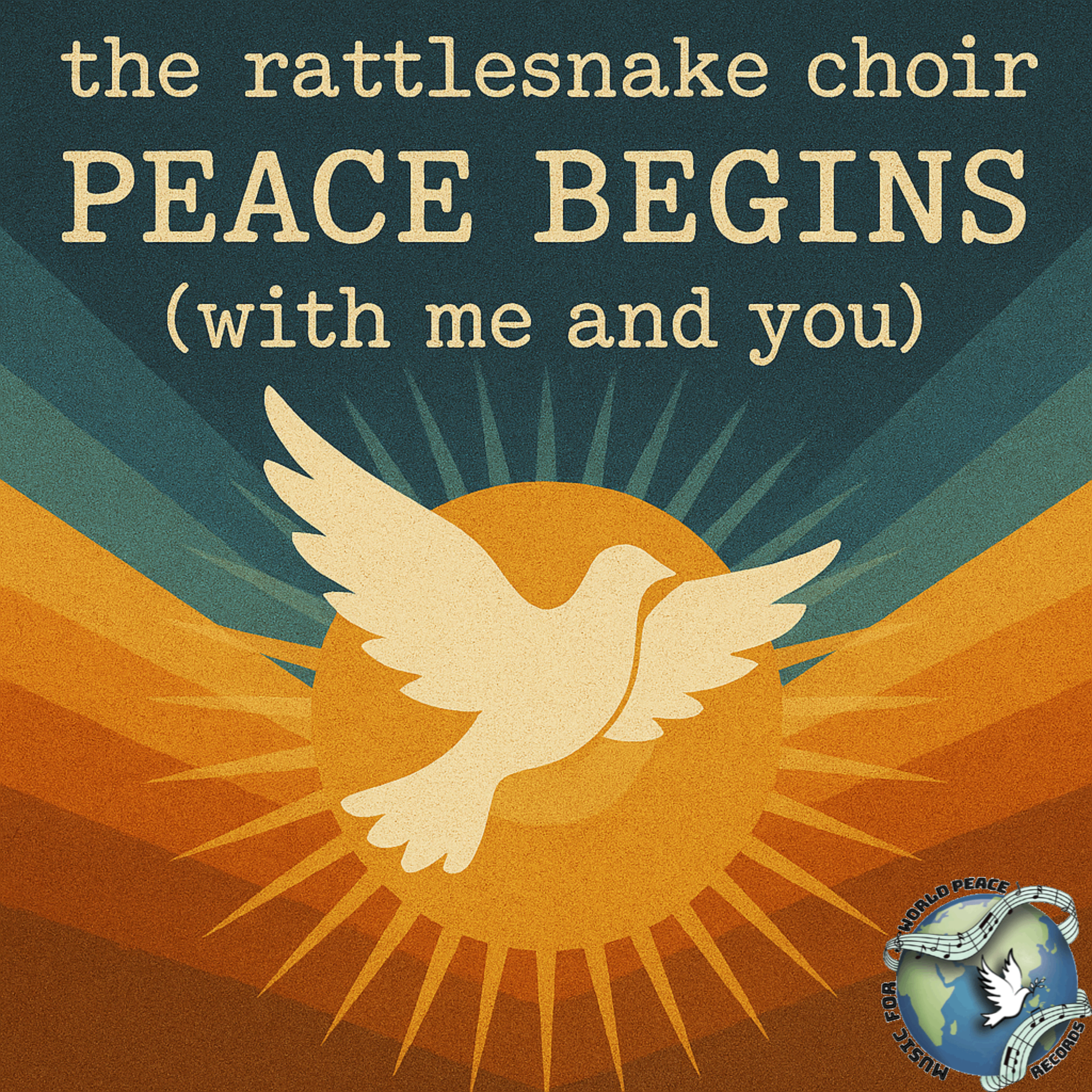
David Philip Ireland has a few production bands. One of them is Rattlesnake Choir, who recorded this song.
Spotify,YouTube, Our Website
Upcoming releases for 2026

January 5th: Die Today In The USA - Written, performed and produced by American artist (Chicago) Michael R. Casali
January 8th: Let Go & Forgive, written, performed and produced by our newest American artist (Florida) Demarquis Johnson.
The Ego's Role in Disrupting Peace
In our fast-paced, success-driven world, the ego often takes center stage, influencing our actions and reactions. While having a healthy sense of self is essential, an overactive ego can hinder our ability to experience inner peace and harmonious relationships with others. Understanding the ego's impact and learning to manage it can lead to a more peaceful existence. How the Ego Disrupts Peace 1. Ego and Conflict
The ego thrives on competition and comparison. It urges us to prove ourselves superior, leading to conflicts with others. This need to be right or better can create tension and disrupt peaceful interactions. When our ego is in control, we may find ourselves in constant disputes, struggling to see others' perspectives. 2. Attachment to Identity
The ego is closely tied to our sense of identity. It clings to labels and roles, often leading us to believe that our worth is dependent on external achievements and recognition. This attachment can cause anxiety and stress, as we continuously strive to maintain a certain image, rather than focusing on authentic self-expression and inner peace. 3. Fear and Insecurity
An inflated ego is often a mask for deep-seated insecurities. Fear of failure, judgment, or rejection can drive ego-driven behaviors, such as defensiveness or aggression. These fears can keep us in a constant state of unrest, inhibiting our ability to cultivate a peaceful mindset. Exercises to Manage the Ego
Managing the ego is a lifelong journey that requires self-awareness and intentional practice. Here are some exercises to help you control the ego and foster a more peaceful life: 1. Mindfulness Meditation
Practicing mindfulness meditation helps cultivate awareness of the present moment, allowing us to observe our thoughts without judgment. Regular meditation can help us identify ego-driven thoughts and learn to let them pass without acting on them. 2. Gratitude Journaling
Keeping a gratitude journal shifts focus from what we lack to what we have. By recognizing the abundance in our lives, we can reduce the ego's grip on our desires and foster a sense of contentment and peace. 3. Active Listening
Engaging in active listening requires us to set aside our ego-driven need to respond or assert our opinions. By genuinely listening to others, we open ourselves to understanding and empathy, which can enhance peaceful interactions. 4. Self-Reflection Exercises
Regular self-reflection helps us become aware of ego-driven behaviors. Consider writing about instances where the ego influenced your actions and how you can respond differently in the future. Reflecting on these moments can promote personal growth and peace. 5. Practice Humility
Humility involves recognizing our limitations and accepting that we are not always right. Embracing humility can help diminish the ego's influence, allowing us to approach life with openness and a willingness to learn from others. In conclusion, the ego can be a formidable barrier to peace, but with conscious effort and practice, it can be managed. By incorporating these exercises into our daily lives, we can create a more peaceful and harmonious existence, both within ourselves and in our interactions with the world.
Skills and Resources for Contributing to World Peace
Everyone has a skill or resource that they could contribute to world peace. Here are a few that the average person has, wants to, but doesn't know how to apply it to world peace. Here are a few suggestions. If you have any of these, try asking an AI like Chat GPT. If you don't know how to use, or don't know how to prompt AI, email me with a list of your skills and I will prompt it for you and give you the results.
Effective Communication: The ability to listen and express oneself clearly can help resolve conflicts and misunderstandings.
Empathy: Understanding and sharing the feelings of others can bridge cultural and ideological divides.
Conflict Resolution Skills: Knowing how to mediate and find mutually beneficial solutions can prevent escalation of disputes.
Education Advocacy: Promoting education, especially about different cultures and histories, can foster understanding and tolerance.
Community Service: Volunteering can strengthen community ties and promote a sense of global citizenship.
Cultural Awareness: Appreciating and respecting different cultures can reduce prejudice and encourage cooperation.
Sustainable Living Practices: By adopting eco-friendly habits, individuals can contribute to environmental stability, reducing resource conflicts.
Positive Use of Social Media: Using online platforms to spread awareness and share peaceful messages can influence others positively.
Financial Support for Peace Initiatives: Donating to organizations dedicated to promoting peace can help fund impactful projects. Music For World Peace Records is a musically based resource.
Our music helps create global awareness of all peace efforts. We have music you can share to help promote this awareness. We have music you can license for films, videos, TV, games and more. We offer donation based downloads. Your donations contribute to the growth of the label, support of it's artists and our ability to continue to provide you with new music for your cause.
Your input neededIf there are particular topics in this newsletter that you want to see more of, or less of, please let me know by emailing me at Admin@MusicForWorldPeaceRecords.com. Get back issues Sponsors: Mike Turner Songwriter 
|
